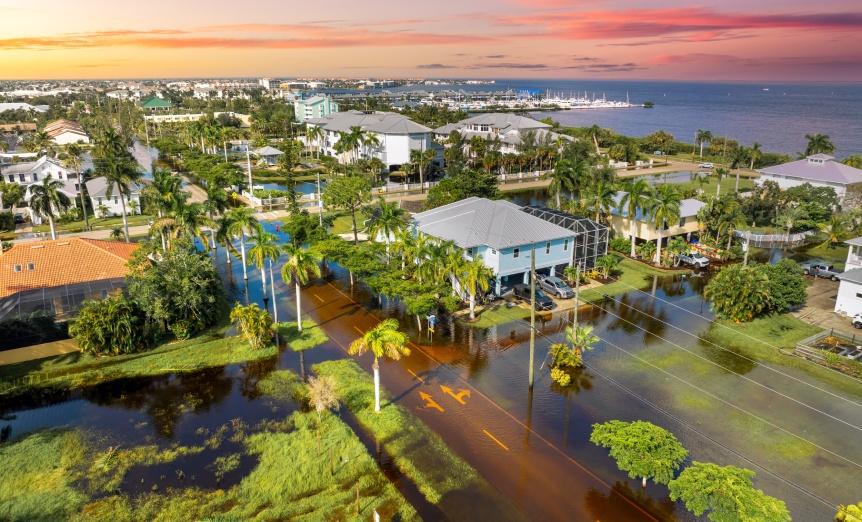
You can build in a FEMA flood zone on the Gulf Coast, as long as you build correctly. The flood zone, Base Flood Elevation (BFE), and local floodplain and permitting rules must be evaluated before a design is finalized. Requirements vary by property, jurisdiction, and the regulations in effect when you build your home in Florida.
What a FEMA Flood Zone Designation Tells You

A FEMA flood zone is a mapped indicator of flood risk. FEMA’s Flood Insurance Rate Maps (FIRMs) divide land into zones by the type and likelihood of flooding. High-risk areas are Special Flood Hazard Areas (SFHAs), carrying A or V designations; areas outside the SFHA are mapped as moderate or minimal risk.
Being inside an SFHA means construction requirements address the flood risk, not that a property is unsafe or unusable. Check the zone early using FEMA’s Flood Map Service Center and the local floodplain administrator’s records. The map in effect at permitting governs the build.
AE vs. VE: Comparing Common Gulf Coast Flood Zones
Most coastal Florida lots inside an SFHA fall into an A-family zone (usually AE) or a V-family zone (usually VE), and the difference comes down to wave action. FEMA describes V and VE zones as coastal areas facing an additional hazard from storm waves. Two lots in the same zone can have different requirements.
| Consideration | Zone A / AE | Zone V / VE |
|---|---|---|
| Primary hazard | Rising floodwater and surge inundation | Surge plus breaking waves, erosion, scour, debris impact |
| Mapping context | Landward of the coastal high-hazard area | Coastal high-hazard area, generally nearest the shoreline |
| Elevation reference | Commonly the lowest floor, relative to the applicable BFE | Commonly the lowest horizontal structural member, relative to the applicable BFE |
| Foundation approach | Varies; some sites allow stem wall or other closed systems | Deeply embedded open foundations: pilings, piers, or columns |
| Engineering scope | Site-specific; flood-resistant materials, protected utilities | Typically more extensive structural and coastal engineering |
| Below the elevated floor | Limited to uses permitted by local floodplain rules | Must be free of obstruction; breakaway walls where permitted |
Base Flood Elevation in Plain Language
Base Flood Elevation is the height floodwater is expected to reach during the base flood, meaning the flood with a one-percent chance of occurring in any given year.
Elevating above the applicable BFE is the central flood-risk reduction measure FEMA identifies for new residential construction in Special Flood Hazard Areas. That elevation drives finished floor height, pile length, stair and driveway design, utility placement, and often the home’s proportions. An elevation certificate documents how an existing building sits relative to the BFE.
Why Piling and Open Foundation Systems Matter
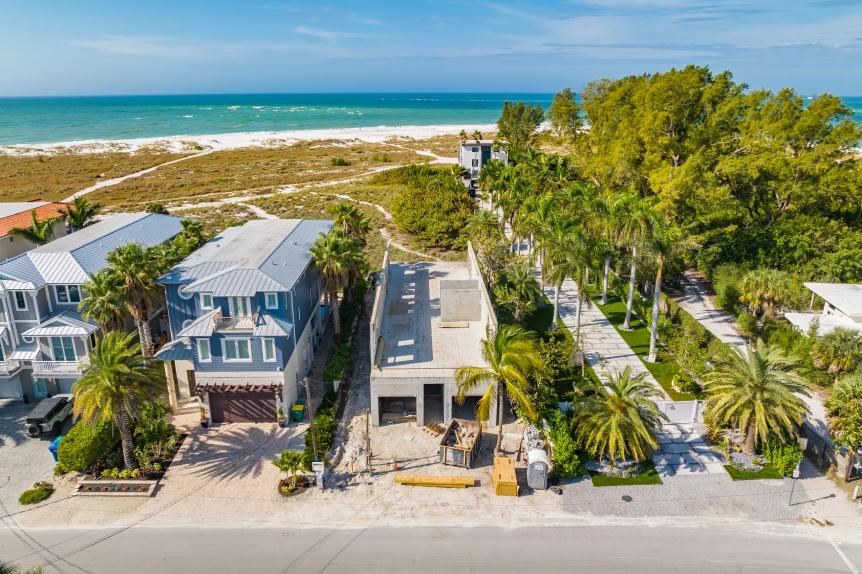
In coastal high-hazard areas, NFIP requirements call for buildings to be elevated on open foundations, with the lowest horizontal structural member at or above the required elevation. FEMA’s guidance is that open foundations let waves and floodwaters pass beneath an elevated building rather than pushing against solid walls, and that deep foundations resist scour and erosion because they extend below the surface soils a storm can strip away.
Flood Insurance and Flood Zone Designation
Flood zone designation is one input into insurance, not the whole picture:
- Flood coverage is generally separate from a homeowners policy, available through the National Flood Insurance Program and private markets.
- In a high-risk zone (A or V) with a federally backed mortgage, flood insurance is typically required as a loan condition in NFIP-participating communities.
- Rating considerations can include elevation relative to flood risk, foundation type, construction characteristics, replacement cost, coverage limits, and deductibles.
- FEMA reports a substantial share of claims come from outside high-risk zones, so coverage is worth discussing even on a Zone X lot.
Premiums depend on multiple property and policy factors, so talk with a licensed insurance professional while elevation and foundation are still being designed.
Coastal Permitting: FEMA Rules Are Not the Only Rules
Florida’s Coastal Construction Control Line
Florida’s Department of Environmental Protection administers the Coastal Construction Control Line (CCCL) program. DEP states the CCCL establishes the landward limit of its CCCL jurisdiction along sandy beaches fronting the Gulf, Atlantic, and Straits of Florida, and that unless otherwise exempt, a DEP permit is required for construction and excavation seaward of the CCCL.
Building code, zoning, and local floodplain administration
The Florida Building Code, maintained through the Florida Building Commission, governs structural design, wind loads, and flood-resistant construction statewide. City and county departments administer zoning, setbacks, height limits, lot coverage, sewer or septic, driveway access, and their own floodplain ordinances. Those local rules are property-specific, so treat the local building department as the authoritative source.
Before You Buy a Gulf Coast Lot: A Practical Checklist
Work through these during due diligence, ideally before the inspection period closes:
- Flood zone designation on the effective FIRM, plus pending map revisions
- Base Flood Elevation and any local freeboard requirement above it
- Existing survey, elevation certificate, or prior permit records
- CCCL status: whether any buildable area falls seaward of the line
- Buildable area after front, side, rear, and coastal setbacks
- Height limits, which interact with required elevation
- Foundation expectations, based on zone, soils, and erosion conditions
- Utilities and access: water, sewer or septic feasibility, power, driveway approach
- Insurance considerations, discussed with a licensed agent
- Permitting path and timeline, including whether state review is likely
Evaluate the Flood Zone Before You Finalize the Design
Elevation and foundation requirements shape the house, so learning them after the drawings are done usually means paying to redraw them. That’s why the EBG building process opens with a site walk and feasibility review before drawings are filed.
How Flood Zones Can Affect Construction Costs
Flood zone requirements influence a coastal budget in several places, which is why a generic per-square-foot figure isn’t useful on a barrier island. Common drivers:
- Required elevation height, which affects pile length and framing
- Foundation system: pile type, embedment, and count
- Structural, geotechnical, and coastal engineering scope
- Site conditions such as soils, access, and staging space
- Permitting path, review timelines, and required studies
- Flood-resistant materials below the design flood elevation
- Wind-resistant assemblies, glazing, and connection hardware
- Elevated utilities, mechanical platforms, stairs, and site work
Two neighboring lots can produce different budgets for the same floor plan, so a realistic number comes from a site-specific feasibility review.
Choosing a Builder Experienced in Coastal Construction
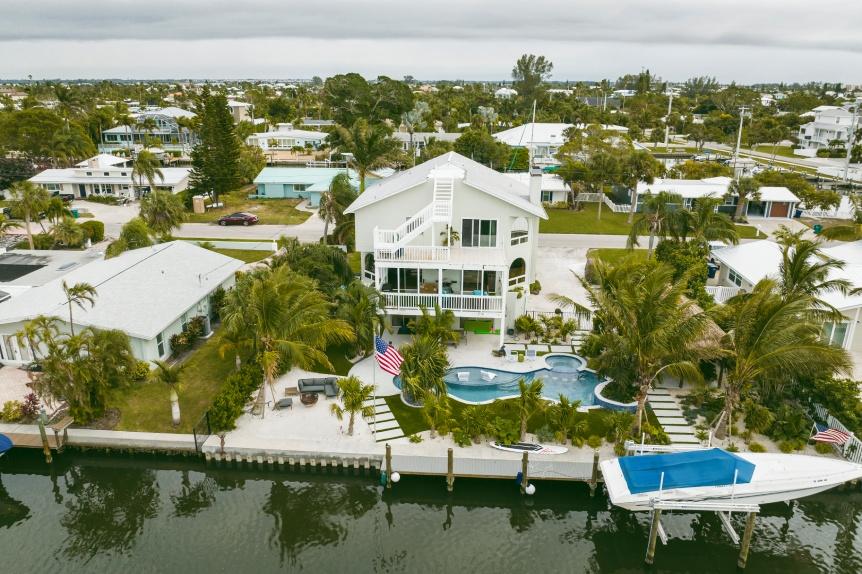
Coastal work rewards repeated experience. Ask how many homes a builder has completed in AE and VE zones, how they handle piling installation and inspection, whether they’ve taken projects through DEP and CCCL review, and how they coordinate flood-zone and wind engineering. Ask to see finished Florida coastal homes, not just renderings.
Eason Builders Group has built custom coastal homes on Florida’s Gulf Coast for more than 15 years and has delivered more than 200 coastal homes across communities including Longboat Key, Anna Maria Island, Siesta Key, Sarasota, Bradenton, St. Petersburg, and Clearwater. Its custom home portfolio reflects a process built around flood zones, piling systems, DEP permits, coastal setbacks, and flood-zone engineering. That is context for what coastal expertise looks like, not an indication that every property carries the same requirements, timeline, or outcome.
Common Questions About Building in a FEMA Flood Zone
Can you build a house in a FEMA flood zone?
Yes. A flood zone designation indicates the type and level of flood risk FEMA has mapped there, not that the lot is unbuildable. What changes is how the home has to be built. The applicable elevation, foundation type, and local floodplain and permitting requirements all have to be evaluated for the specific property.
What does a FEMA flood zone mean for a home?
It identifies the type and level of flood risk FEMA has mapped there and triggers construction and floodplain management requirements meant to address it, and it can affect financing and insurance requirements.
What is the difference between AE and VE flood zones?
Both are high-risk. AE zones are mapped for flooding from rising water and surge; VE zones are coastal high-hazard areas where breaking waves, erosion, scour, and debris are additional hazards.
Does a flood zone require a house to be elevated?
New residential construction in a Special Flood Hazard Area is generally required to be elevated to or above the applicable BFE, and many Florida communities require freeboard on top of that.
Do homes in flood zones need special foundations?
In coastal high-hazard (V/VE) areas, NFIP requirements call for deeply embedded open foundations (pilings, piers, or columns). In AE zones, the right system depends on site conditions and local rules.
Does a FEMA flood zone affect home insurance?
It can. Zone designation influences whether a lender requires flood insurance and is one factor in evaluating a property, but not the only one. Elevation, foundation, construction details, coverage limits, and deductibles all matter, so premiums vary across properties.
Should I check the flood zone before buying a lot?
Yes, ideally before the inspection period ends. Flood zone, BFE, setbacks, CCCL status, and buildable area together determine what can be built and at what elevation, which affects both design and budget.
Talk Through Your Property
Building on the Gulf Coast? Contact Eason Builders Group to discuss your property, flood-zone requirements, and the next steps for your Florida custom home.
Disclaimer: This article is general educational information, not engineering, legal, or insurance advice. Flood-zone and permitting requirements vary by property, flood zone, jurisdiction, and applicable regulations. Confirm requirements for a specific parcel with your local building department, a Florida-licensed design professional, and a licensed insurance agent.
Tags
- Coastal Construction
- FEMA
- Flood Zones
- Florida
- Gulf Coast